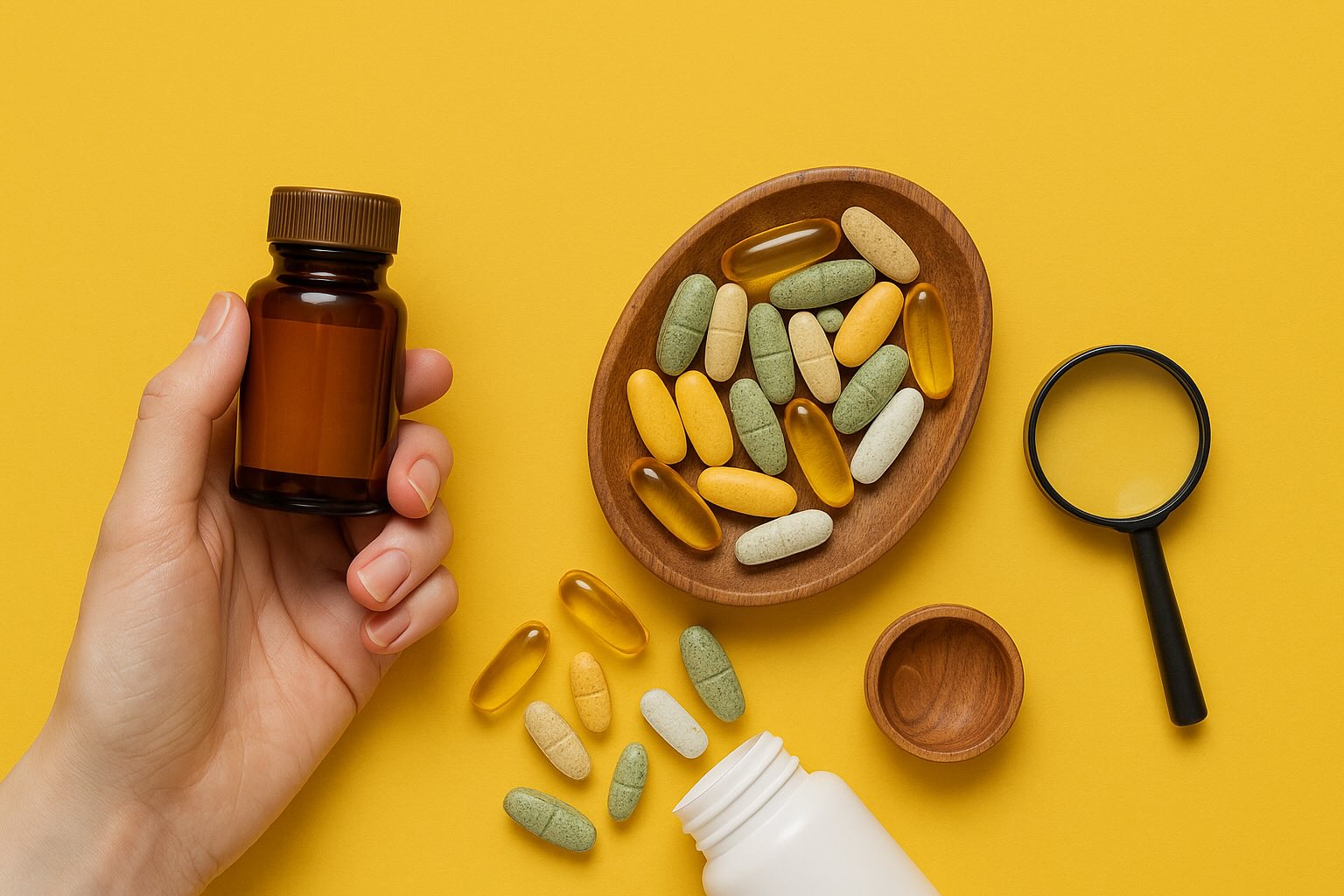
The market for dietary supplements is rapidly growing, offering a wide range of products to support health, boost immunity, and improve quality of life. According to Grand View Research, the global dietary supplement market was valued at $151.9 billion in 2022 and is projected to grow to $270.1 billion by 2030. However, alongside rising demand, the number of low-quality products, counterfeits, and aggressive marketing misleading consumers is also increasing. How do you choose supplements that are effective and safe? This guide provides recommendations based on scientific data, practical tips, and expert insights.
Why Choosing the Right Supplements Matters
Dietary supplements can be a valuable tool for supporting health, but an incorrect choice can lead to wasted money or even harm. A study by the U.S. Food and Drug Administration (FDA) found that in 2015, about 25% of tested supplements contained undeclared ingredients, including synthetic compounds. In 2022, ConsumerLab discovered that 30% of popular supplements did not match their labeled ingredients or contained contaminants like heavy metals, such as lead or mercury. In Europe, the RASFF system regularly removes unsafe supplements from the market.
These findings highlight the importance of a thoughtful approach to choosing supplements. Well-selected supplements can help:
- Strengthen immunity.
- Enhance cognitive functions and energy levels.
- Support heart, liver, and digestive health.
- Prevent vitamin and mineral deficiencies.
Below, we’ll explore key criteria for selecting high-quality supplements to help you make an informed choice and avoid risks.
1. Checking Certification and Quality Standards
Quality certifications are the first and most reliable indicator of a product’s safety. They confirm that supplements are manufactured in compliance with international standards. Here are the main certifications to look for:
- GMP (Good Manufacturing Practice): Ensures sterile production conditions and strict quality control at all stages.
- ISO 22000: Confirms the safety of food products from raw materials to the final product.
- USDA Organic or EU Organic: Indicates organic ingredient origins, grown without pesticides, GMOs, or synthetic fertilizers.
- Lab-tested, Heavy Metal Free: Independent testing for the absence of toxins, heavy metals, and pathogens.
Always check for certifications on the packaging or the manufacturer’s official website.
Tip: If certifications are not listed or hard to find, it may indicate questionable product quality.
2. Origin and Quality of Raw Materials
The quality of raw materials directly impacts the effectiveness and safety of supplements. A study published in the journal Nutrients (2021) showed that contamination of raw materials with pesticides or heavy metals can reduce supplement effectiveness and cause side effects, such as allergies or liver dysfunction. To choose a high-quality product, pay attention to:
- Eco-friendly regions of origin: Raw materials sourced from uncontaminated areas are of higher quality.
- Organic production: Plants grown without pesticides or GMOs retain more active compounds.
- Raw material quality control: Reputable manufacturers test raw materials for toxins, heavy metals, and microbiological contaminants.
Tip: Look for information about the origin of raw materials on the label or manufacturer’s website. If such information is absent, consider choosing a different product.
3. Form of Release and Bioavailability
The form of a supplement affects how well the body absorbs its active ingredients. According to a study in the journal Pharmaceutics (2020), capsules and liquid extracts generally have higher bioavailability compared to tablets or powders. Here are the main forms of release and their features:
- Capsules: Provide precise dosing and protect active ingredients from stomach acid.
- Liquid extracts and tinctures: Absorb quickly but may contain alcohol, which isn’t suitable for everyone.
- Powders: Convenient for mixing with food or drinks but less precise in dosing.
- Tablets: Often contain fillers that can reduce bioavailability.
Tip: Choose a form that suits your needs. For quick effects, opt for liquid extracts; for regular use, choose capsules with precise dosing.
4. Transparent Ingredients and Absence of Harmful Additives
A high-quality supplement should have a clearly listed ingredient profile with minimal auxiliary substances. Avoid products containing:
- Artificial colors and flavors.
- Preservatives, such as sodium benzoate or parabens.
- Fillers that reduce the concentration of active ingredients.
A Consumer Reports study (2022) found that supplements with a high amount of fillers are often less effective.
Tip: Always read the ingredient list on the label. If it includes many unfamiliar names, opt for a product with a simpler composition.
5. Manufacturer Reputation and Transparency
Trustworthy brands openly share information about their products. Here’s what to check:
- Manufacturer’s official website: Is there detailed information about the product, ingredients, and certifications?
- Independent reviews: Look for reviews on platforms like Trustpilot or iHerb, where users share real experiences.
- Scientific approach: Does the manufacturer reference studies that confirm the effectiveness of their products?
Tip: Avoid brands that provide vague information or rely solely on marketing slogans without evidence.
6. Reviews and User Experiences
Real customer reviews are a valuable source of information about supplement quality. According to BrightLocal (2023), 87% of consumers trust reviews as much as personal recommendations. Look for reviews on independent platforms and focus on:
- Repeat purchases: A high percentage of returning customers indicates product effectiveness.
- Detailed reviews: Descriptions of specific results are more reliable than generic praise.
Tip: Be cautious of products with suspiciously perfect reviews, especially if they’re only on the seller’s website, as this may indicate manipulation.
7. Scientific Evidence of Effectiveness
Choosing supplements with scientifically proven effectiveness is key to their success. Not all supplements have a solid scientific foundation. For example, a National Institutes of Health (NIH, 2020) study found that multivitamins often lack noticeable effects in the absence of specific nutrient deficiencies. However, certain supplement categories show well-documented benefits when their composition and dosage meet scientific standards.
Scientific research forms the basis for evaluating supplement effectiveness. Manufacturers citing peer-reviewed articles in reputable journals, such as Journal of Ethnopharmacology or Journal of Dietary Supplements, inspire more confidence. For instance, supplements with standardized extracts and clearly defined active ingredient content are more likely to be effective than those with uncontrolled compositions. Pay attention to:
- Clinical studies: Look for supplements backed by randomized controlled trials (RCTs), the gold standard in medical science.
- Standardized active ingredients: Ensure the product contains the declared amount of active components, verified by lab tests.
- Data transparency: Manufacturers providing access to study results or certificates of analysis demonstrate accountability to consumers.
Additionally, consider individual needs. For example, supplements for immunity, energy, or cognitive function may vary in effectiveness depending on a person’s health, diet, and lifestyle. Consulting a doctor or dietitian can help select supplements aligned with your goals.
Tip: Choose products with scientifically backed effectiveness and avoid supplements with vague promises like “universal health solution.”
8. How to Avoid Counterfeits?
The risk of purchasing counterfeits remains high, especially on unofficial platforms. To protect yourself:
- Buy supplements only from trusted stores or marketplaces with a good reputation.
- Avoid products with suspiciously low prices or overly attractive promotions.
- Check the packaging: High-quality supplements have clear labeling, serial numbers, and protective elements (e.g., holograms).
Tip: Choose platforms that work directly with manufacturers to ensure product authenticity.
9. How to Take Supplements Correctly?
For maximum effectiveness, follow usage recommendations:
- Dosage: Strictly adhere to the instructions on the label. Overuse can be harmful.
- Timing: Some supplements are better absorbed at specific times of the day, depending on their composition.
- Course duration: Most supplements require consistent use for 1–3 months to achieve noticeable effects.
- Consult a doctor: If you have chronic conditions or take medications, consult a specialist before starting a supplement regimen.
Tip: Combine supplements with a healthy lifestyle—balanced nutrition, physical activity, and adequate sleep.
Why Choose EcoHuman?
EcoHuman is a marketplace for natural and certified supplements, carefully selected from trusted manufacturers. We offer:
- Over 1,100 certified products, including vitamins, minerals, mushrooms, and superfoods.
- Partnerships with 30+ leading brands that meet GMP, ISO, and USDA Organic standards.
- Proprietary formulas based on Carpathian herbs and mushrooms with proven effectiveness.
- Convenient delivery across Ukraine and worldwide.
We also provide consultations to help you choose supplements that align with your goals—from boosting immunity to improving energy and cognitive functions.
Conclusion
Choosing high-quality supplements is an investment in your health and longevity. To make the right choice, verify certifications, ingredients, raw material origins, form of release, and manufacturer reputation. Opt for supplements with scientifically proven effectiveness and purchase only from trusted suppliers. With EcoHuman, you gain access to safe and high-quality supplements that help you feel better every day.
Self-medication can be harmful to your health. Consult a doctor before taking supplements.